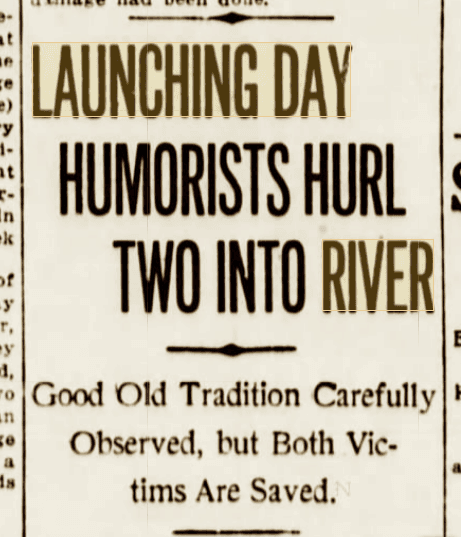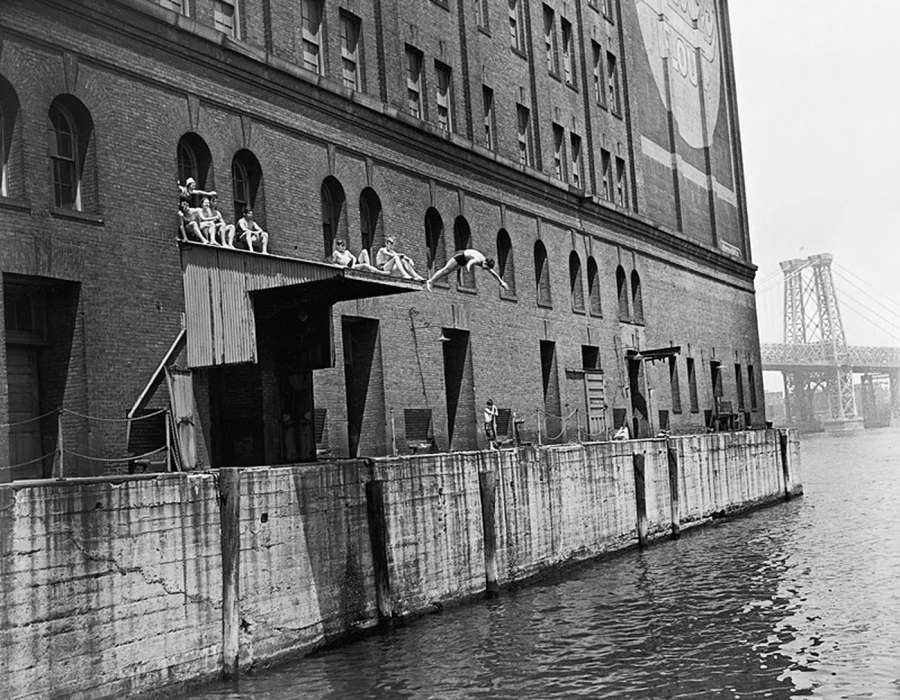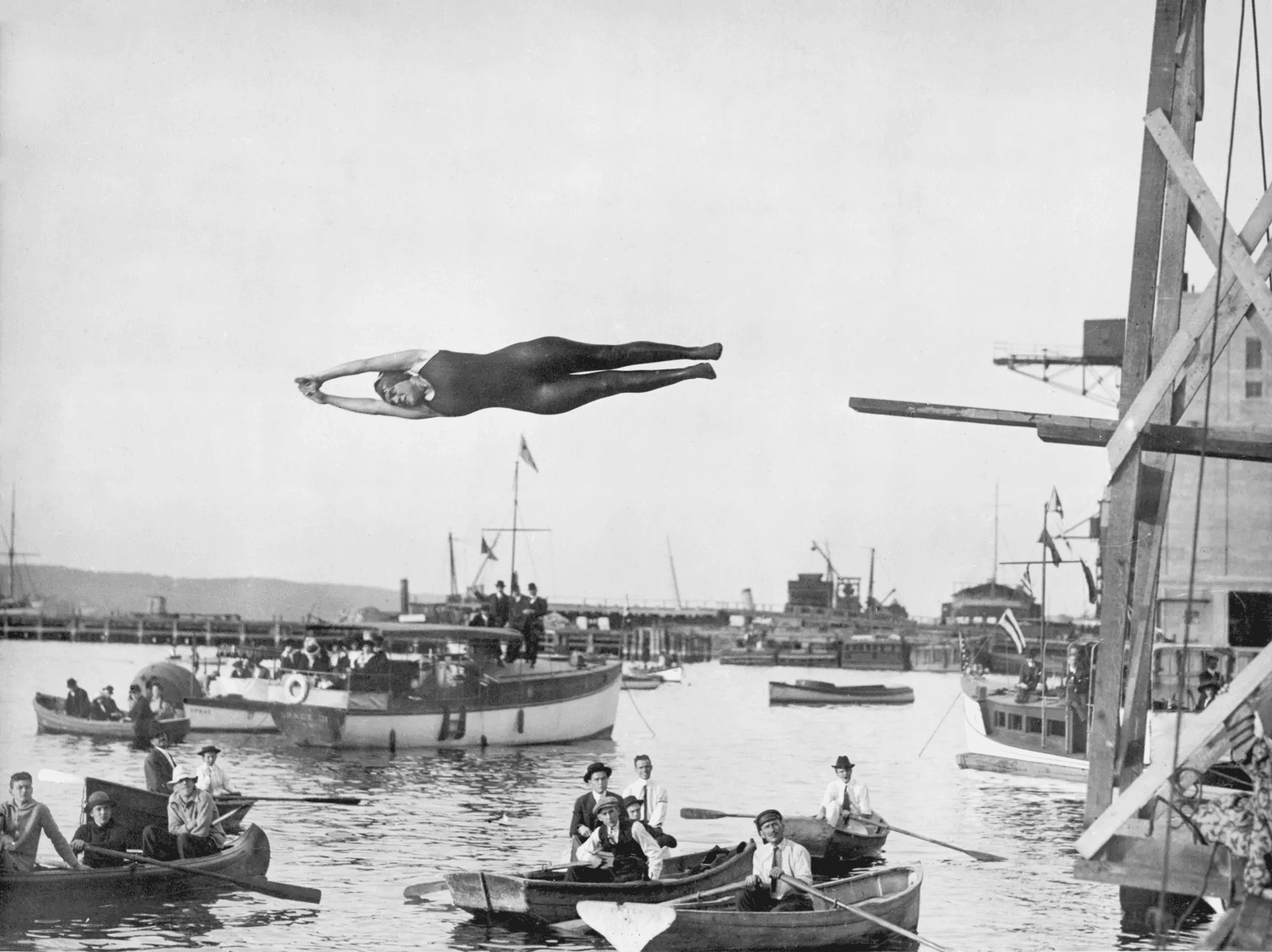
For a city surrounded by rivers, harbors, creeks, and coastlines, this question should feel simple. But for many New Yorkers today, the water is something to look at from a distance, not something to touch, swim in, or trust.
water was
not
always distant
TOUCH
Context & Research / Worldbuilding
WHEN WAS
THE LAST
TIME YOU
INTERACTED
WITH NYC'S
WATERS?
A City Built Through Water
A city built
through water
New York was not only built beside water. It was built through water. The Hudson, East River, Gowanus, and Newtown Creek shaped movement, food, labor, trade, industry, and daily life long before they became sites of pollution.
The city’s waterways were once living routes and public edges. They supported oyster beds, maritime work, neighborhood economies, and everyday contact with the more-than-human life of the harbor. Water was not background scenery. It was infrastructure, food source, workplace, boundary, and commons.
Memory

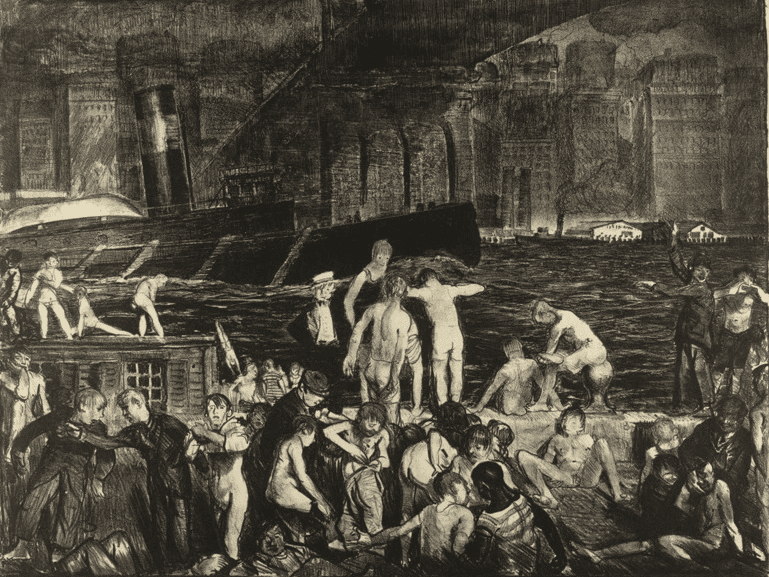
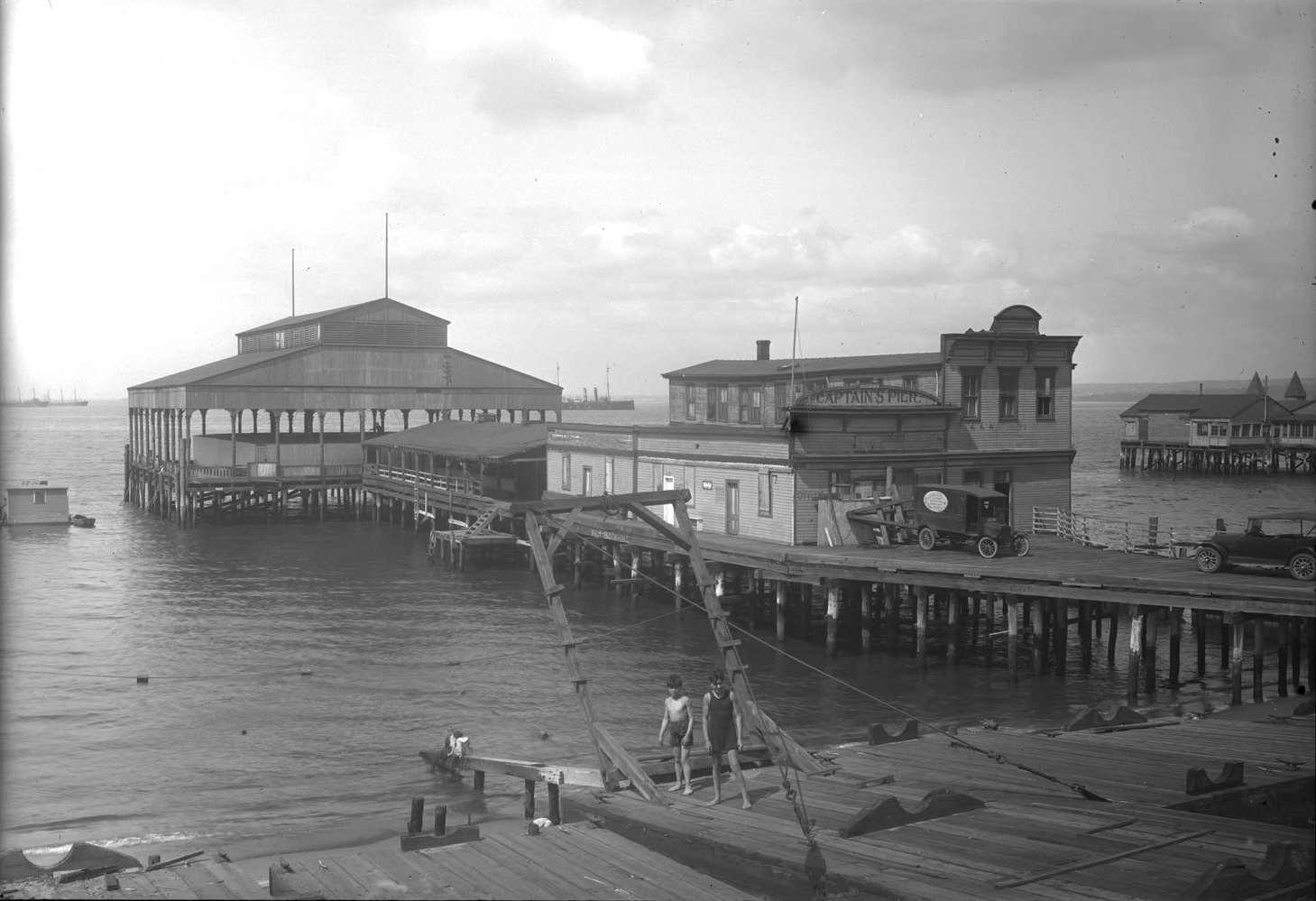

After the Swimmers Left
The water stayed.
Trust disappeared.
But the same waterways that carried New York’s growth also absorbed its waste. Industrial discharge, sewage infrastructure, dredging, shoreline development, and urban expansion changed how people related to the water. What had once supported public life became something many residents learned to avoid.
After the swimmers left, the water did not disappear. It stayed beside the city, carrying the traces of what the city chose not to see. Today, many New Yorkers live next to water they cannot imagine entering. The water remains close, but its condition is difficult to read.